When I was little, I was known as “the good girl.” Quiet, easy and well behaved.
I hardly spoke in class because I was painfully shy (sometimes I even felt tears welling up if the teacher said my name for something good!). I worried about getting things wrong, upsetting people or drawing too much attention to myself.
At the time, those labels probably sounded positive. Adults often praise children for being compliant, capable and low maintenance. But what I didn’t understand then was that when we hear certain things about ourselves often enough, they can slowly become part of our identity.
They aren’t just things we do. They become things we believe we are. And many of those early stories follow us into adulthood, where they may help us, hinder us, or both.
Perhaps you recognise yourself in one of these examples:
- The woman who was praised for being responsible now feels like she has to hold everything together.
- The high achiever struggles to rest because productivity has become tied to worth.
- The “easygoing” woman finds it hard to express needs or disappointment.
- The girl who learned not to be “too much” now overthinks every opinion before speaking in meetings or asking for support at home.
- The “good girl” becomes the mother who says yes to everything and feels uncomfortable disappointing people.
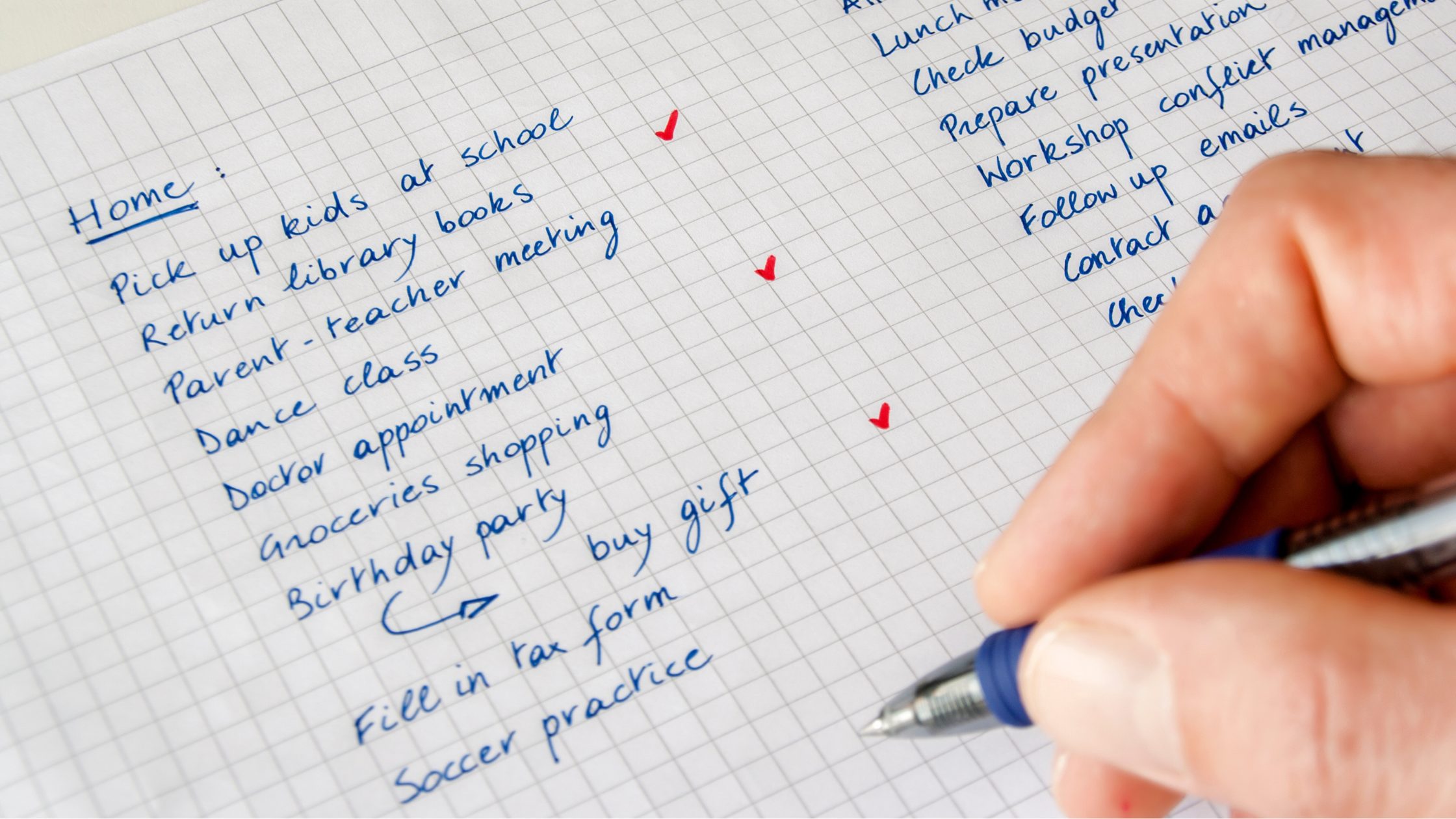
- The high achiever becomes the working mother trying to excel simultaneously at work, parenting, relationships, emotional regulation, school responsibilities, life admin, health and home life — and then wonders why she feels constantly overwhelmed.
- The woman who learned to stay quiet struggles to advocate for herself when the load becomes unsustainable.
These stories develop in environments, relationships and experiences where they once made sense and served a purpose. Children are constantly learning: Who do I need to be to feel safe, loved, accepted and valued?
And our brains become very good at repeating the strategies that helped us belong. The problem is that what protected or helped us at eight years old may not serve us at thirty-eight.
Especially once motherhood enters the picture.
Why motherhood can bring old identity stories to the surface
One of the reasons matrescence can feel so emotionally disorienting is that motherhood doesn’t only change our practical lives. It reshapes our identity.
Many women find themselves questioning things they never examined before.
Why do I feel guilty resting?
Why do I struggle to ask for help?
Why do I feel responsible for everyone else’s emotions?
Why do I feel so uncomfortable disappointing people now that the demands are impossible to
meet?
Motherhood has a way of exposing the invisible rules we’ve been living by, and those rules are often connected to very old identity stories.
For me, it revealed itself as perfectionism and trying to do it all. I couldn’t bear the thought of getting anything wrong and potentially impacting my child. I considered it failure. I thought I had to do everything to an excellent standard, until I realised that the standards of modern motherhood are unsustainable and unrealistic, and that constantly trying to meet them was not making me a better mother – it was making me exhausted, anxious and disconnected from myself.
If part of your identity has been built around being “good,” capable, responsible or getting things right, difficult experiences or challenges can feel deeply threatening to your sense of self.
Motherhood can intensify these patterns because the demands become so much greater, and many women unconsciously respond by gripping harder to the identity that once helped them feel valued.
But eventually, we reach a point where those strategies no longer feel sustainable, and that’s where the internal tension begins. Part of you knows the old way is hurting you, and another part is terrified of who you’ll be without it.
You are not failing – your identity is shifting
Matrescence invites women into an ongoing process of identity evolution, across different seasons of motherhood and life.
Identity shifts feel uncomfortable because the brain prefers familiarity. Even familiar stress can feel safer than change.
This is why women sometimes feel strangely unsettled when they begin doing things like setting boundaries, resting more, speaking more honestly, or changing careers.
In these moments, we need to remember that discomfort doesn’t mean you’re doing something wrong. Discomfort arises because you are challenging old identity stories about who you have learned you need to be.
The identity stories are real but they are not fixed
One of the most hopeful things I’ve learned is that identities are not fixed. You can choose to write new, more supportive stories about who you are that fit this season of your life and your growth over the years.
To do this, start by intentionally noticing the stories that are quietly running underneath your behaviour.
What or who do you believe you need to be to feel worthy, safe or loved?
The capable one?
The selfless one?
The high achiever?
The easy one?
The strong one?
Then ask yourself:
- Is this still serving me?
- What is it costing me?
- What else might be true about me now?
Please don’t shame yourself for these stories. They developed for real and understandable reasons but now you have a choice whether to continue to carry them.
Small moments can begin loosening the story
One thing I often encourage women to do is pay attention to moments that challenge the old story they carry about themselves.
One of my clients told me she was shy, yet she was doing so many things that wouldn’t be typical for a shy person. When I reflected this to her, she was surprised. She hadn’t noticed, and she realised that this was an identity story from her childhood that she had unknowingly held onto long after it stopped being the truth about who she was.
When the brain has rehearsed those beliefs for long enough, it automatically scans for evidence that confirms them while often dismissing moments that contradict them.
That’s why my client could recall moments where she felt hesitant, but forgot about the many more moments when she spoke up, took initiative, tried new things and handled situations in ways that no longer fit the story she still carried about herself.
When you know this, it makes sense that many women overlook their own growth so easily.
I also love to encourage my clients to collect evidence about their new identity. We need to notice the small moments that complicate the old story you have about yourself and prove that you are more than that old story. It’s a great idea to record them in a journal or a note on your phone so you can remind yourself when needed.
For example:
“I rested without apologising.”
“I asked for help.”
“I left work on time.”
“I spoke honestly in that meeting.”
“I didn’t over-explain myself.”
“I handled that conflict differently.”
“I let something be good enough.”
“I got through a hard day without turning against myself.”
Small moments matter because identity changes gradually as the brain begins gathering evidence that you are more than the role, coping strategy or story you inherited earlier in life. Some identity stories may still apply sometimes, but that does not make those stories the complete truth about who you are.
You are allowed to keep becoming
If changing feels scary because you might lose yourself, let me reassure you that the opposite is more likely to be true. You are discovering a new version of yourself. Finding yourself again!
You are allowed to evolve beyond the roles, labels and coping strategies that once defined you. And motherhood is inviting you into that deeper evolution.



0 Comments